

 Back to Blogs
How to Choose Siding Colors That Complement Your Nashua Home's Exterior
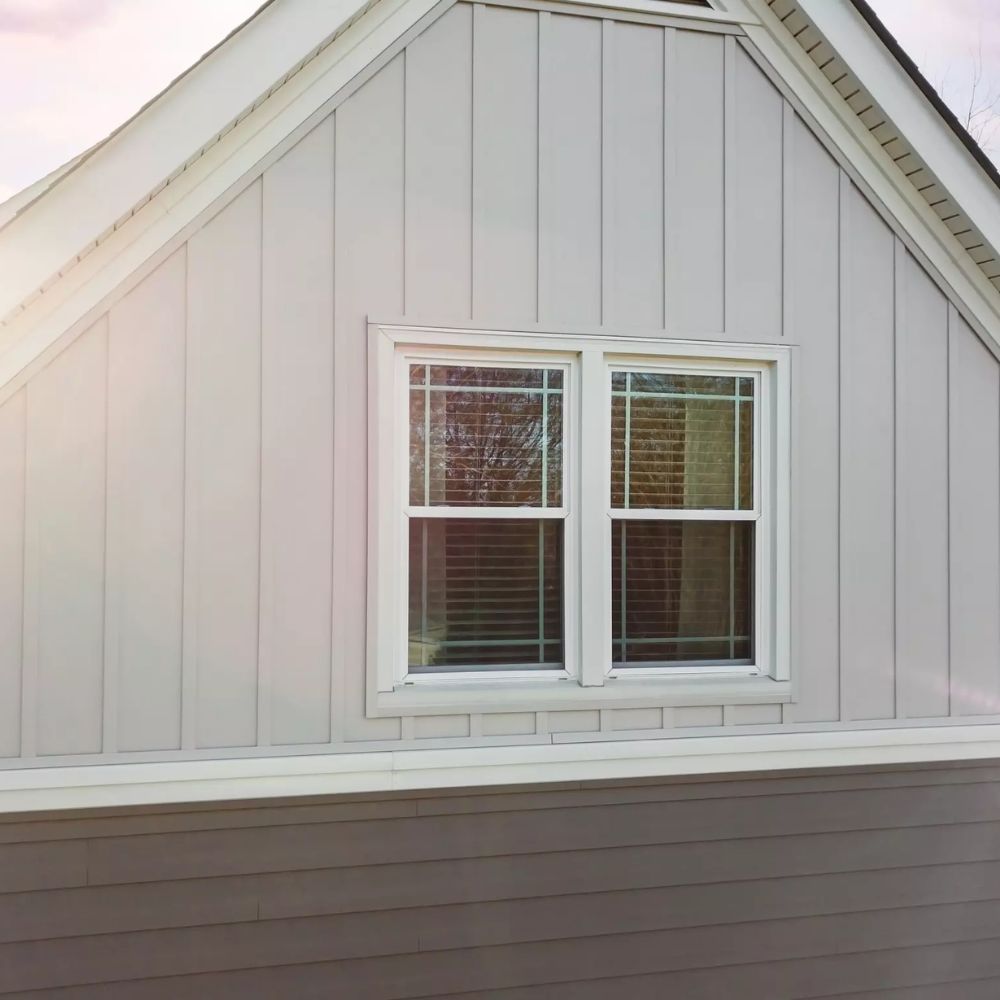
Choosing a siding color is about more than picking a shade you like. The right color should work with your roof, windows, doors, trim, landscaping, and your Nashua home's architectural style. A well-planned exterior creates visual balance, highlights your home's best features, and gives the property a cohesive appearance.
For Nashua homeowners planning an exterior update, siding color selection is one of the most important design decisions to make before installation begins. By looking at the entire exterior, not just the siding, you can narrow your options and choose a color that feels intentional for years to come.
What Should You Consider Before Choosing a Siding Color?
Start by identifying the exterior features that are staying. Your roof, brickwork, stonework, windows, entry door, and permanent landscaping should all influence your siding choice.
Consider these factors:
- Roof Color: Your siding should complement, not compete with, the roof.
- Trim and Window Colors: White, cream, black, or other trim can change how a siding shade appears.
- Architectural Style: Traditional Colonials, Cape Cod homes, ranches, and contemporary houses can each suit different color combinations.
- Surroundings: Trees, lawn, stone, and neighboring homes can affect how a color looks in context.
- Natural Light: A color can appear significantly different in bright sunlight, shade, and overcast conditions.
The goal is not necessarily to match every exterior element. Instead, choose colors with compatible undertones and enough contrast to define the home.
How Do You Match Siding Color With Your Roof?

The roof is one of the largest visual elements of a home, so it should be one of the first things considered during siding color selection.
If your roof is dark gray or black, lighter siding can create contrast without making the exterior feel too heavy. Gray, blue, white, beige, and muted green tones can work well depending on the home's other features.
For a brown or warm-toned roof, consider siding colors with warm undertones, such as beige, tan, cream, or earthy greens. The key is to avoid a siding shade that clashes with the roof's temperature.
If you're unsure, obtain physical siding samples and compare them next to the roof rather than relying solely on a digital color chart.
Should Your Siding Be Lighter or Darker Than Your Trim?
There is no single rule, but contrast can help define architectural details.
Light siding with bright trim creates a classic, crisp appearance. Darker siding paired with lighter trim can make windows, corners, rooflines, and entryways stand out more prominently.
You can also use a similar color family for the siding and trim for a more understated appearance. The best choice depends on how much contrast you want and which features you want to emphasize.
Should You Choose Siding Color Based on Trends?
Trends can provide inspiration, but they should not be the only factor in your decision.
A popular color may look excellent in a magazine or online rendering but feel different on your particular home. Because siding is a long-term exterior investment, consider whether you will still appreciate the color after current design trends change.
Neutral and muted shades can provide flexibility, while carefully selected blues, greens, and deeper tones can add personality without making the exterior feel dated.
How Can You Test Siding Colors Before Installation?
Always evaluate your preferred colors in the actual setting. If possible, compare physical samples against your:
- Roof
- Window frames
- Existing or planned trim
- Front door
- Brick or stone
- Landscaping
Look at the samples at different times of day. Morning sunlight, afternoon brightness, shade, and cloudy conditions can all change how a color appears.
Window World of New Hampshire also provides a visualizer that allows homeowners to experiment with siding, windows, and doors using an image of their own home.
Make Your Nashua Home's Exterior Feel Complete
The best siding color selection starts with the whole exterior, not a single color swatch. Before making a final decision, consider your roof, windows, trim, architectural style, landscaping, and how much contrast you want. Then compare physical samples and visualizations to see how your preferred colors work together.
Window World of New Hampshire offers vinyl siding in a wide range of colors and profiles, along with design guidance to help homeowners plan a cohesive exterior. If you're considering new siding for your Nashua-area home, explore the available options and request a free quote to discuss your project.
Frequently Asked Questions
-
There is no universal best color. The right choice depends on your home's roof, architecture, trim, windows, landscaping, and personal style. Gray, beige, white, blue, and muted green are versatile starting points.
-
Lighter siding colors can create an open, airy appearance and may make a home's exterior feel more expansive. However, the home's proportions, trim, and architectural details also affect the overall visual effect.
-
Mid-tone and muted colors can be forgiving when it comes to showing everyday dirt and environmental exposure. Proper siding maintenance and product selection remain important regardless of color.
-
Not necessarily. Contrasting trim can emphasize windows, doors, corners, and rooflines, while similar colors create a more subtle and unified exterior.