

 Back to Blogs
How to Find a Trusted Window Supplier in New Hampshire
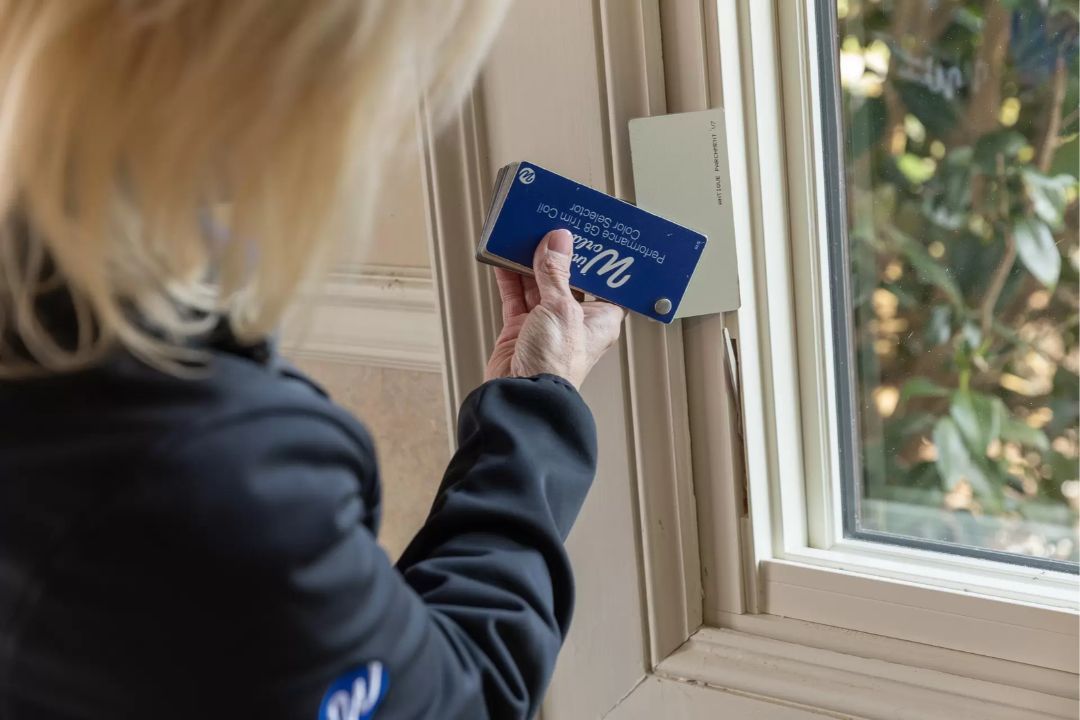
Here is a situation that plays out more often than it should. A homeowner orders windows from one company, hires a separate crew to install them, and six months later water shows up on the sill. The supplier blames the install. The installer blames the window. Nobody owns the problem. That is why the search for a window supplier NH homeowners can trust is a search for accountability, not just a good price on glass and vinyl.
Supplier, Installer, or Both? Why the Difference Matters
A window supplier sells the product. An installer puts it in. Some companies do only one, and some handle both under one roof.
For most homeowners, a company that supplies and installs its own windows is the simpler path. One team measures the openings, orders the windows, installs them, and answers the phone if something needs attention later. When one company controls the whole job, you have one clear place to go with a question.
Splitting the job can work, but it puts you in the middle. You end up coordinating sizes, delivery dates, and two separate sets of warranty terms.
What Makes a Window Supplier Trustworthy?
A trustworthy window supplier gives you complete product details in writing, explains performance ratings in plain language, stands behind a clear warranty, and has a real local presence you can reach after the sale. Friendly service is nice, but those four traits protect you.
Notice what is missing from that list: the lowest number on the page. A quote that looks cheap because it leaves out key details is not a bargain. It is a surprise waiting to happen.
Read the Sticker Before You Read the Brochure
Brochures are written to impress. The NFRC label is written to inform, and it is one of the most useful tools a homeowner has.
The National Fenestration Rating Council label shows independently certified performance ratings for a specific window. Ask any supplier to show you the label, or the ratings from it, for the exact windows in your quote. The numbers worth knowing:
- U-factor measures how well the window resists heat loss. Lower is better, and in New Hampshire this is the number that matters most in winter.
- Solar Heat Gain Coefficient measures how much of the sun’s heat passes through the glass.
- Visible Transmittance measures how much daylight comes through.
A supplier who can explain these numbers without reaching for a sales script knows the product. A supplier who changes the subject is telling you something too.
Products Built for a New Hampshire Winter
Our climate asks a lot of a window. Long heating seasons, wind-driven snow, and the swing between thaw and freeze all test how well a window holds its seal.
Start with ENERGY STAR® certification for the Northern climate zone, which covers New Hampshire. Then look at what creates that performance:
Low-E glass has a thin coating that helps reflect heat into the room during winter. Argon gas fill between the panes slows heat transfer through the insulating glass unit. Together, they help reduce the cold feeling you get sitting next to an older single-pane window in January.
Frame material matters as well. Vinyl replacement windows never need scraping or painting, which is a real advantage in a state where exterior paint takes a beating from moisture and cold. Ask about SolarZone™ glass packages too, and ask the supplier to show you how each glass option affects the ratings on the label.
Why a Local Presence Matters After the Sale
Buying windows is not a one-time transaction. You will live with them for decades.
A supplier with a real New Hampshire presence understands the homes here, from older capes around Concord to lake houses in the Lakes Region and colonials across the Seacoast. Many of these houses have settled over the years, so openings are rarely perfectly square. Custom-made replacement windows built to measured dimensions fit these openings far better than stock sizes pulled off a shelf.
Local presence also means a local number to call. If a sash sticks or a lock needs adjusting, you want someone nearby who knows your order, not a national call center reading from a ticket.
Questions That Separate Good Suppliers from Order-Takers
Bring these to every conversation:
- Who measures the windows, and who is responsible if a measurement is off?
- Are the windows made to order for my openings?
- What exactly does the warranty cover, and does it include labor?
- Who installs the windows, and are they employees or subcontractors?
- What happens if a problem shows up a few years from now?
- Can I see the full product specifications before I sign?
Good suppliers welcome these questions. They answer them clearly and put the important answers in writing.
A Word on Warranties
Warranty language deserves a slow read. A limited lifetime warranty can offer strong protection, but “limited” means specific terms and restrictions apply. Some cover the product only. Some include installation. Some change if you sell the home.
Ask for the full warranty document before you commit. Read it at your own pace, and ask the supplier to explain anything unclear.
Where We Fit In
At Window World, we supply and professionally install vinyl replacement windows, so one team handles both the product and the installation. Nationally, we have installed more than 25 million windows since 1995. Our New Hampshire location is locally owned and operated, backed by the strength of a national brand.
Our windows include ENERGY STAR® certified options, and qualifying products carry the Good Housekeeping Seal. Our windows come with a limited lifetime warranty. Restrictions may apply. For complete details, see the warranty at your nearest Window World store.
To see how our windows measure up, request a Free In-Home Quote. A Design Consultant will measure your openings, walk you through the product ratings, and answer every question on the list above. It is the easiest way to judge America’s Exterior Remodeler on the details that count.
Frequently Asked Questions
-
A company that supplies and installs its own windows gives you one point of accountability for the product and the work.
-
It is a label showing independently certified ratings, including U-factor, Solar Heat Gain Coefficient, and Visible Transmittance, for that specific window.
-
Lower is better for cold climates. ENERGY STAR-certified windows for the Northern zone meet the program’s criteria for this region.
-
Older New Hampshire homes often have settled, out-of-square openings. Windows built to measured dimensions fit those openings more precisely.
-
Yes. A written quote should list the product, glass package, ratings, and warranty terms so you can compare offers accurately.