

 Back to Blogs
How Long Does Vinyl Siding Last in New Hampshire? What Affects Its Lifespan
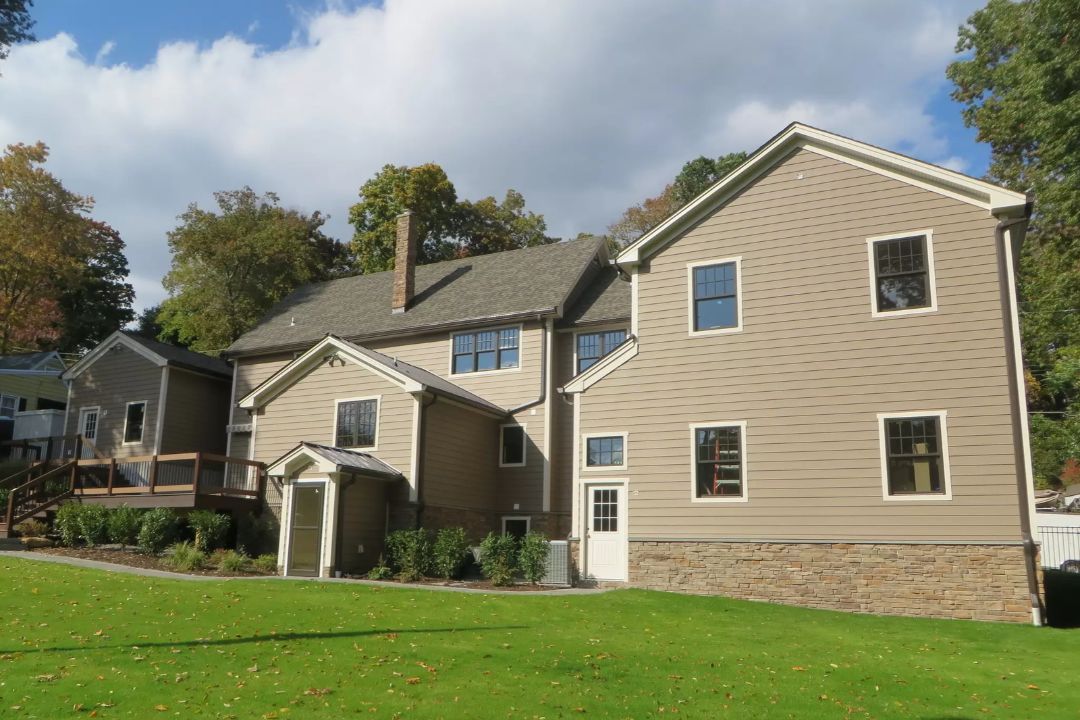
Vinyl siding is a durable exterior option that can protect your home for decades with proper care. If you are wondering how long vinyl siding lasts, most products have an average lifespan of 20 to 40 years, while high-quality siding that is professionally installed and properly maintained may last even longer. In New Hampshire, harsh winters, heavy snowfall, ice, moisture, and fluctuating temperatures can affect its longevity. Choosing quality materials, ensuring proper installation, and following routine maintenance practices can help preserve your siding's appearance, performance, and protective qualities over time.
How Long Does Vinyl Siding Typically Last?
Vinyl siding typically lasts 20 to 40 years, based on commonly cited industry guides. Some homes last longer, and some last less, depending on product quality, installation, climate, and care. That range is an average, not a promise. A thicker, higher-performing panel generally resists impacts and weather better than a thinner one. Two homes on the same street can age very differently if one had better installation or more regular upkeep.
How Does New Hampshire Weather Affect Vinyl Siding?
New Hampshire siding faces deep winter cold, heavy snow, and bright summer sun in the same year. Repeated exposure can wear on panels, fasteners, and seams over time.
- Freezing Temperatures: Vinyl becomes less flexible in the cold, so hard impacts are more likely to crack a panel.
- Snow, Ice, and Freeze-Thaw Cycles: Ice dams and melting snow can push water toward walls and trim. Water that gets behind panels can freeze and thaw repeatedly, adding stress to the wall.
- Summer Sun, Wind, and Storms: Ultraviolet light can fade color slowly over many years. Strong gusts can also loosen panels that weren't fastened properly.
What Factors Affect Vinyl Siding Lifespan?
Material quality, professional installation, moisture control, and regular upkeep matter most. Sun and weather exposure also play a role.
Material Quality and Thickness
Higher-grade panels tend to resist impacts and fading better. Window World New Hampshire offers 6000 Series siding, which adds insulation, and 4000 Series siding for premium strength and durability.
Professional Installation
Panels need room to expand and contract with temperature swings. Professional installers also handle the flashing and trim details that keep water out. Poor installation can shorten the life of even a premium product.
Moisture, Drainage, and Sun Exposure
Water with nowhere to go can collect behind panels, so good drainage and ventilation help protect the wall. Walls that get the most direct sunlight may show fading first.
What Are the Signs Vinyl Siding Needs Replacement?
Widespread cracks, warping, loose panels, heavy fading, or moisture problems can signal it's time to replace your siding. A single damaged panel is different from trouble across several walls.
Warning Signs to Watch For
- Cracked or broken panels
- Warping or buckling
- Loose or missing sections
- Fading or discoloration
- Moisture problems, such as mildew or stains near the siding
- Damage after storms
- Maintenance issues that keep returning
Isolated issues may be manageable. Damage across multiple walls usually means the siding is reaching the end of its useful life.
How Can Homeowners Make Vinyl Siding Last Longer?
Gentle cleaning, regular inspections, clear gutters, and quick attention to small problems help siding last longer. A few simple habits each year go a long way.
Inspect and Clean Regularly
Walk the exterior in spring and fall, looking for cracks, loose panels, and gaps. Clean with a soft cloth or soft-bristled brush and a mild cleaner, then rinse well. Avoid harsh chemicals and abrasive tools.
Protect Against Moisture and Act Early
Keep gutters and downspouts clear so water drains away from the walls. Watch for damp spots or mildew near the foundation and trim. Small problems are easier to handle before they spread, so have a professional look at loose or damaged panels.
When Should You Consider Replacing Vinyl Siding?
Replacement makes sense when damage is widespread, problems keep returning, or the siding no longer protects your home well. At that point, a new installation can be more practical than ongoing patchwork.
Why Window World New Hampshire?
Window World New Hampshire installs vinyl siding for homeowners in Belknap, Cheshire, Hillsborough, Merrimack, Rockingham, and Strafford counties in New Hampshire, plus Windham in Vermont. As America's #1 Exterior Remodeler, Window World has installed over 25 million windows for 3.8 million customers. It is Locally Owned. Nationally Known.
Window World products are backed by a Lifetime Limited Warranty. Restrictions may apply. For complete details, see the warranty at your nearest Window World store.
Conclusion
Vinyl siding can protect a New Hampshire home for decades when the product is well made, professionally installed, and cared for each year. Knowing the warning signs helps you plan ahead instead of reacting to damage. Browse vinyl siding for your home, then request a Free Quote to see how long vinyl siding can last with professional installation.
Frequently Asked Questions
-
Yes, some vinyl siding reaches 40 years. Results depend on quality, installation, climate, and care, so no timeline is guaranteed.
-
Cold weather alone doesn't necessarily shorten vinyl siding life, but it can make panels less flexible. Ice and freeze-thaw cycles add stress, so installation and drainage matter.
-
Most homeowners clean vinyl siding about once a year. Use a soft cloth or brush with mild cleaner whenever dirt or mildew builds up.
-
The first signs are often fading, small cracks, and loose or warped panels. Moisture stains or mildew nearby can also be early warnings.
-
It depends on how widespread the damage is. A few damaged panels may be manageable, while damage on several walls often points toward replacement.