

 Back to Blogs
How to Choose the Right Shutter Style for Your Home’s Exterior
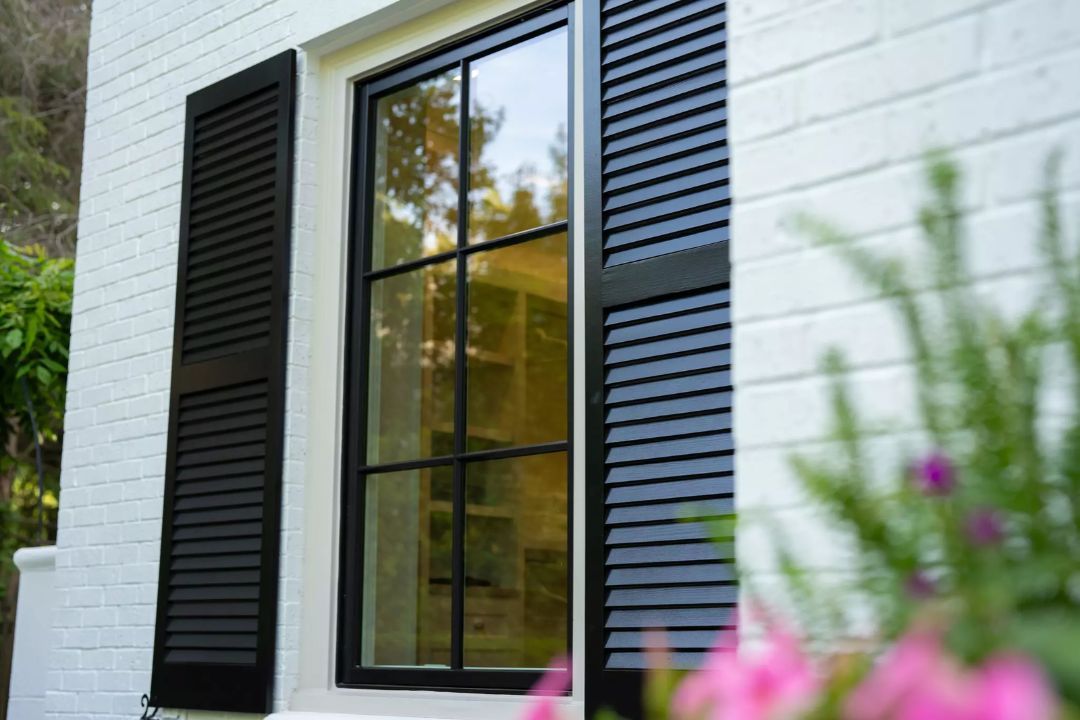
Whatever shutter you pick shows up on every window along the front of the house. One wrong shape repeats itself again and again. This shutter style guide is worth ten minutes before you fall for a color swatch, because style and size shape curb appeal more than color does. We will walk through the options, the sizing rules, and the common mistakes.
What Are the Main Shutter Styles?
Window World of New Hampshire offers three core shutter styles, each tied to a different kind of home.
Louvered Shutters
Louvered shutters have angled horizontal slats. Our product page calls them our most popular shutter choice, with a universal look that adds architectural interest or contrast. You can choose a cottage or traditional style, and an arch top is available for shaped windows.
Raised Panel Shutters
Raised panel shutters have deep shadow lines and a formal, old-world feel. They are the classic match for Colonial-style homes. Transom top and arch top options help them fit shaped windows.
Board and Batten Shutters
Board and batten shutters nod to rustic, early-American building styles and suit contemporary or Craftsman homes. Design options include 3-board and 4-board layouts, open or closed, plus a 4-board closed arch top.
Compare all three on our shutters page, or go straight to louvered shutters, raised panel shutters, or board and batten shutters.
How Wide and Tall Should Shutters Be?
Height is the easy part. Shutters generally match the height of the window opening.
Width is where sources split. A common design rule says each shutter should be about half the window width, so the pair could close over the glass. Some guides recommend a narrower range for purely decorative looks, roughly a quarter to a third of the window width. This is a design preference, not a code requirement. Use this shutter style guide as a checklist, then measure every window, because upstairs and downstairs windows are often different sizes.
Spacing counts as well. If two windows sit close together, shutters that are too wide will nearly touch in the middle. In that case, go narrower rather than crowding the wall.
Which Style Fits Your Home?
These are our recommendations, not strict rules:
- Colonial and other symmetrical, formal homes pair naturally with raised panel shutters.
- Craftsman and rustic exteriors suit board and batten.
- If your home does not fit a clear category, louvered is the flexible choice.
Windows with unusual shapes deserve their own thought. A round-top window looks best with a matching arch top, while a plain rectangular shutter beside it can look like an afterthought. Walk your property and photograph each elevation before you choose, because the side of the house you rarely see may need a different answer than the front.
Look at the whole front elevation too. Shutters share the stage with your vinyl siding, your front door, and your roofline, so test colors against all of them in daylight.
What Mistakes Do Homeowners Make With Shutters?
Four come up again and again:
- Choosing shutters that are too small, so they look stuck on rather than designed
- Mixing styles across the front of the house without a reason
- Picking a color from a small chip and never checking it outdoors
- Forgetting the side and back elevations that guests do see
Every one of these is easy to avoid with a quick walk around the house and a measuring tape. Spend an afternoon looking at the home the way a visitor would, from the curb.
How Do You Pick a Shutter Color That Works?
Color is a recommendation, not a science. Start with the colors you cannot change easily, such as brick, stone, and roofing, then work outward. Shutters usually look best when they contrast gently with the siding rather than matching it exactly.
Check swatches in morning and late afternoon light, since the same color can read warmer or cooler as the sun moves. Our Design Consultants can bring samples to your home so you see them against your own exterior.
What About Color and Wear?
Our raised panel and louvered shutters come in a variety of colors with custom sizing options. Product pages also note that the shutters resist fading and hide scratches, which is a manufacturer feature worth asking your Design Consultant to explain in person.
They are listed as made in the USA and backed by a limited lifetime warranty. Restrictions may apply. For complete details, see the warranty at your nearest Window World store.
Ready to See Which Shutters Suit Your Home?
The shutter style guide comes down to three questions: what shape fits your house, what size looks balanced, and which color works with everything around it.
We are Locally Owned. Nationally Known, and our Design Consultants love this part of the job. Explore our shutter styles, then request a Free Quote to talk sizing and color with someone who can see your home. Questions first? Our Contact Us page is the easiest way to reach us.
Frequently Asked Questions
-
Match the window opening’s height. For width, about half the window is the classic rule, while narrower shutters are a common decorative choice.
-
Our louvered shutters. Window World describes them as its most popular shutter choice, thanks to their universal appeal.
-
Yes. We offer arch top options, and raised panel shutters also come with transom tops, so shaped windows can still look finished.
-
Usually not exactly. Many homeowners choose a gentle contrast so the shutters frame each window. Check samples outdoors before you decide.
-
Our shutter product pages list a limited lifetime warranty. Restrictions may apply, so ask your Design Consultant for complete details.